
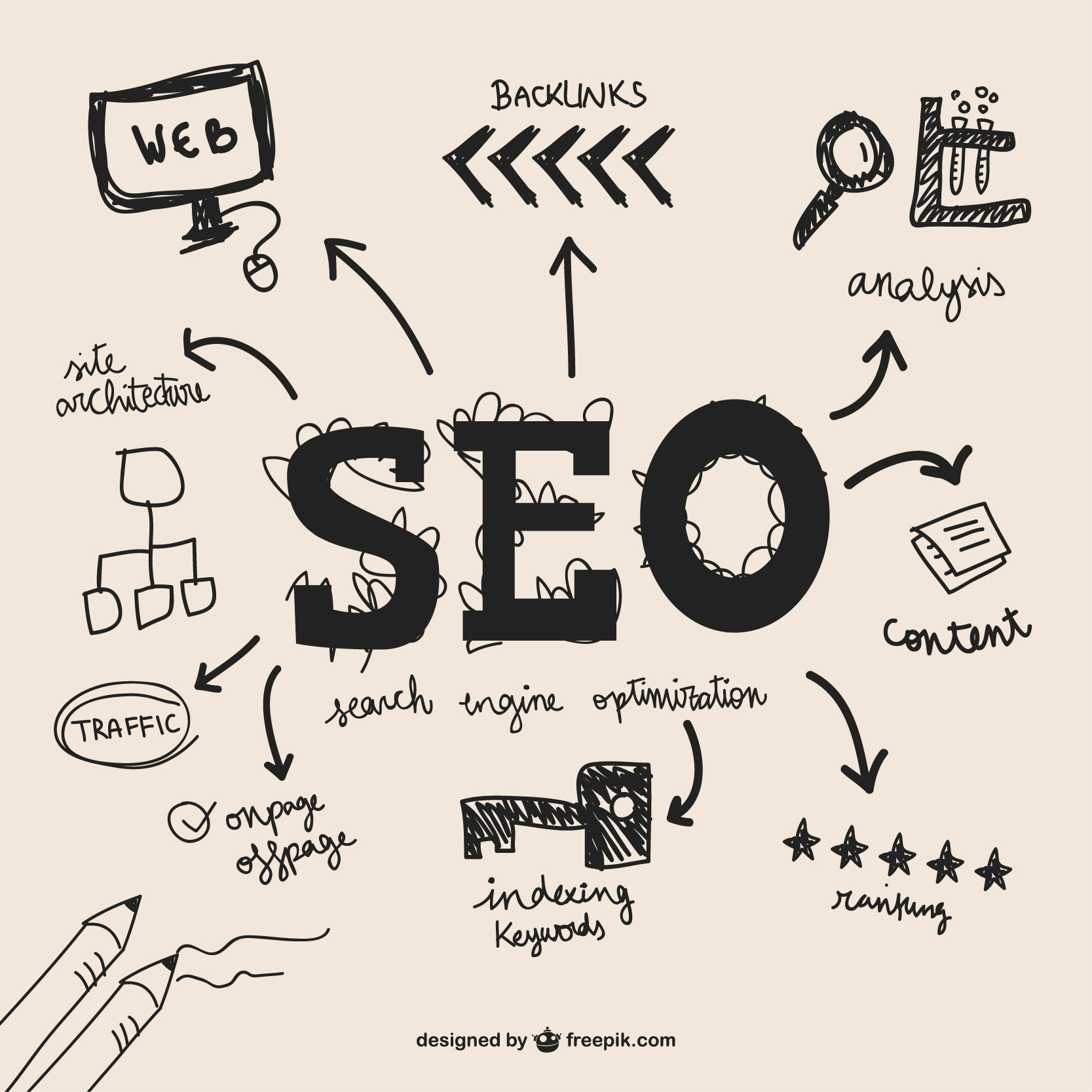
Search engines play an important role in helping customers discover businesses online. When someone searches for a product or service, appearing in relevant Google search results can help your business attract more visitors, generate enquiries, and build credibility.
Search Engine Optimisation (SEO) is the process of improving your website so that search engines can better understand its content and users can easily find what they are looking for.
If you want to improve your website's visibility, here are 10 practical SEO tips to help you get started.
1. Research the Right Keywords
Keyword research is one of the most important parts of SEO. It helps you understand what your potential customers are searching for online.
Focus on relevant keywords that match your products, services, and audience. Consider using specific search phrases rather than only targeting highly competitive keywords.
2. Create Helpful and Valuable Content
Google aims to provide users with useful and relevant information. Creating original content that answers common customer questions can help improve your website's visibility.
Publish informative blog posts, service pages, guides, and FAQs that provide genuine value to your audience.
3. Optimise Your Page Titles and Meta Descriptions
Every important page should have a clear and relevant SEO title and meta description.
Your page title should describe the main topic, while your meta description should encourage people to click through from search results.
4. Improve Website Loading Speed
Website speed affects user experience. Visitors are more likely to leave a website if pages take too long to load.
Optimise images, reduce unnecessary scripts, use reliable hosting, and implement caching to improve website performance.
5. Make Your Website Mobile-Friendly
Many people browse and search online using smartphones. Your website should work smoothly across mobile phones, tablets, and desktop devices.
Make sure your text is readable, navigation is simple, and buttons are easy to use.
6. Use Internal Linking
Internal links connect different pages on your website. They help visitors discover related information and help search engines understand your website structure.
Link relevant blog posts to your service pages and other useful resources.
7. Optimise Your Images
Images can improve your website's appearance, but they should also be optimised for search engines.
Use descriptive file names, relevant alt text, and compressed image formats to improve accessibility and page performance.
8. Focus on Local SEO
If your business serves a specific location, local SEO can help customers find you.
Keep your business information accurate, optimise your Google Business Profile, and create useful location-specific content.
9. Build Quality Backlinks
Backlinks are links from other websites pointing to your website. Relevant links from trustworthy sources can support your website's authority and search visibility.
Focus on creating useful content and building genuine relationships rather than buying low-quality links.
10. Monitor Your SEO Performance
SEO requires regular monitoring and improvement. Tools such as Google Analytics and Google Search Console can help you understand website traffic, search impressions, clicks, and keyword performance.
Use this information to identify opportunities and improve your strategy.
Final Thoughts
Improving your Google rankings takes time, consistency, and the right approach. By focusing on valuable content, technical improvements, keyword research, and user experience, you can build a stronger online presence.
At Target Digital Marketing, we help businesses improve their search visibility through practical SEO strategies designed around their goals.
Want to improve your website's Google rankings?
Get in touch with Target Digital Marketing and discover how the right SEO strategy can help your business grow.